
Hydraulic Lifting Mobile Light Tower Market
The hydraulic lifting mobile light tower market continues to grow at a rapid rate, with an increasing number of construction, mining, emergency services, and outdoor events utilizing the products’ ease of use and portability.
This article discusses the hydraulic-powered mobile light tower market’s key trends, market opportunities, and critical considerations. Additionally, this information offers buyers and industry professionals the tools necessary to make an informed purchase.
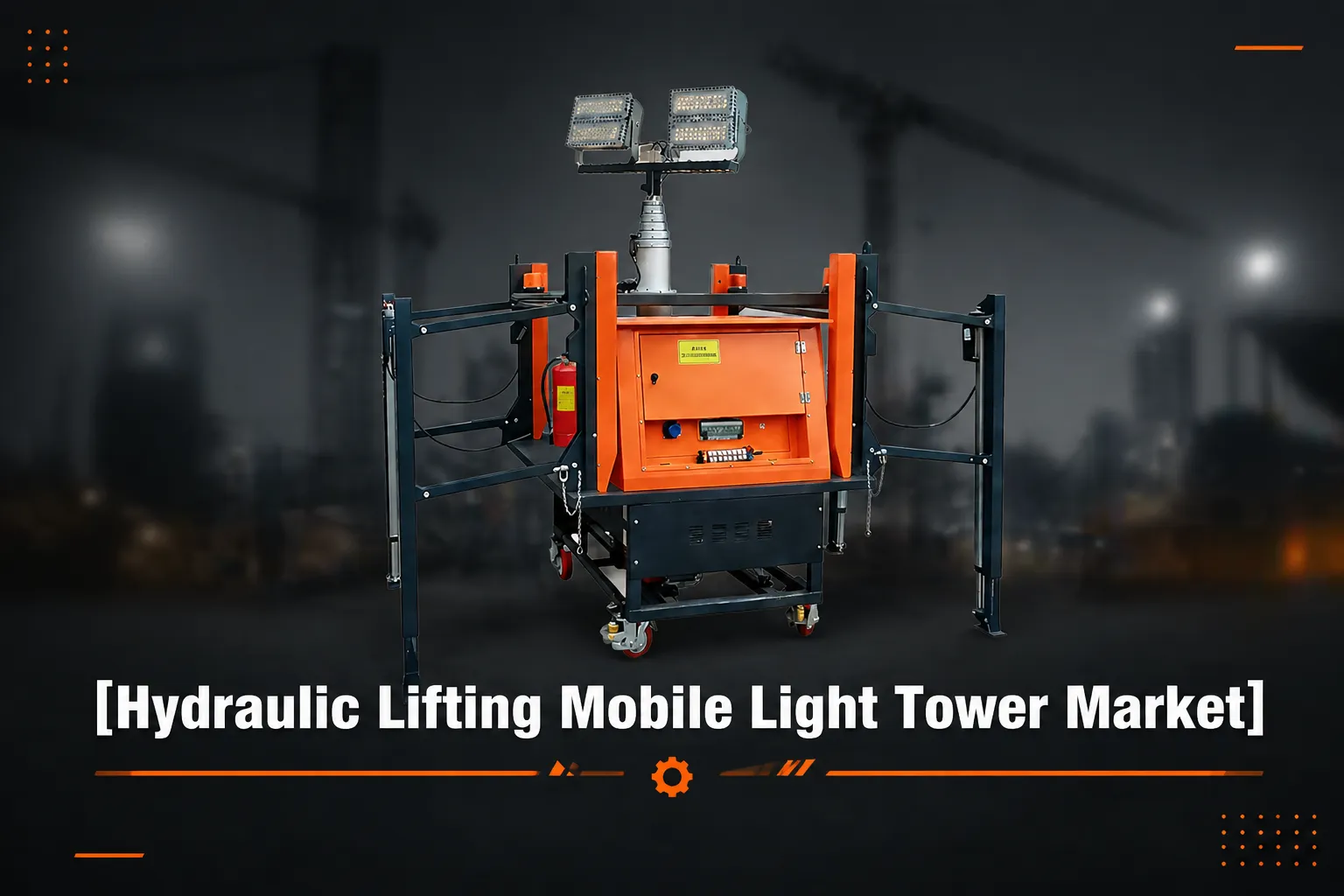
What Are Hydraulic Lifting Mobile Light Towers
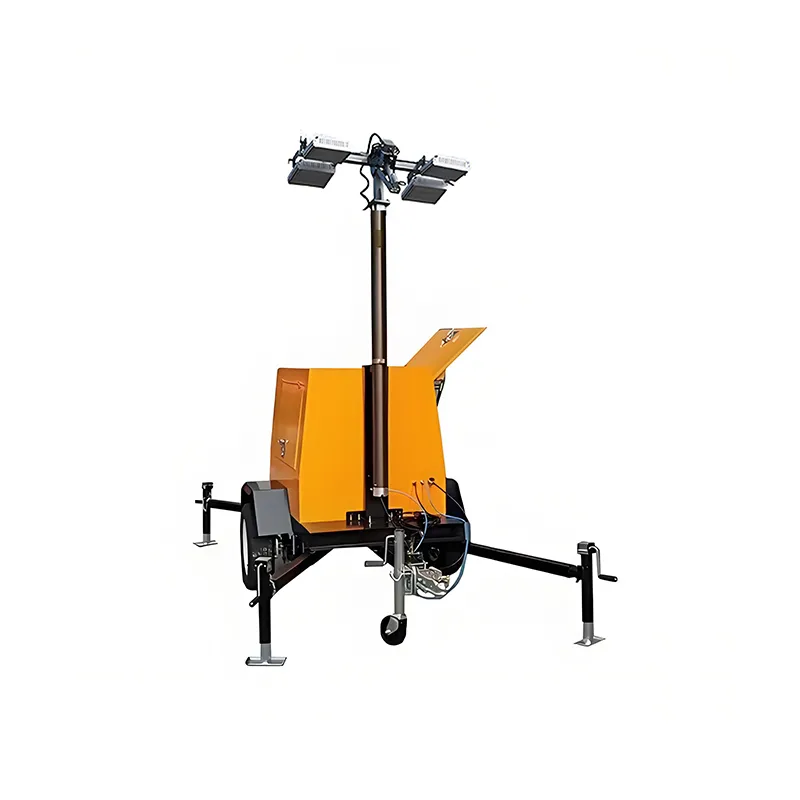
Hydraulic lifting mobile light towers are used to provide portable lighting through the use of hydraulic lifting mechanisms to raise and lower the mast heights. With the use of durable materials and LED or metal halide bulbs, they are designed for maximum reliability in lighting large areas.
Hydraulic lifting mobile light towers have more advanced mobility than traditional light towers. These advantages have led to significant demand growth in the hydraulic lifting mobile light tower market across multiple industries.
Key Growth Areas in the Hydraulic Lifting Mobile Light Tower Market
To understand the regional demand for hydraulic lifting mobile light towers and how to become involved in the hydraulic lifting mobile light tower market, you should understand the key industries fueling this growth.
1. Construction & Infrastructure Development: Increased urbanization and the development of infrastructure in countries like those in the Asia-Pacific and North America regions are playing a vital role in increasing hydraulic lifting mobile light tower demand. Reliable, portable light sources are necessary for work that occurs after normal business hours or for maintenance tasks.
2. Mining Industry Growth: Mining occurs 24 hours a day, 7 days a week in remote locations and in low-light situations; therefore, using a hydraulic lighting tower can improve worker safety and the efficiency of mining operations.
3. Disaster Relief & Emergency Response: Governments and NGOs throughout the world use hydraulic light towers for fast deployment to disaster zones. They provide critical light for search and rescue operations and to assist in emergency repairs.
4. Outdoor Event Market: With the rise of music festivals, professional sporting events, and film productions taking place outdoors, demand for mobile lighting towers continues to grow.
Reasons Hydraulic Light Towers Are Unique
Hydraulic light towers are becoming very popular due to the many benefits associated with them.
1. Simple to Operate: With a hydraulic system, there is no need to manually adjust the height of the mast; you can easily raise and lower the tower by pushing or pulling on the hydraulic control arm.
2. Portable: The small footprint of the towers combined with their wheeled design allows ease of movement between job sites.
3. Durable: Hydraulic lighting towers are designed and built to resist extreme conditions. They will not break from impact, corrosion, or extreme weather.
4. Quality Light: The LED light is long-lasting and consumes much less energy than traditional incandescent light, while the metal halide lamp produces a high-intensity light that is ideal for illuminating very large areas.
5. Fuel Efficiency: Many hydraulic lift towers operate through eco-friendly engines that allow low operational costs while decreasing their effect on the environment.
Factors to Consider When Buying Hydraulic Lighting Towers
Investing in a hydraulic lifting light tower is an important choice, and other major factors to consider when purchasing include:
1. Type of Lighting: Decide if an LED or a metal halide lighting fixture is best for you. Commonly, LEDs have lower power consumption and longer life, while metal halide lamps produce brighter light for large-scale applications.
2. Mast Height and Adjustability: The mast height is a key factor for providing illumination and determining how much area will be illuminated. Hydraulic towers have easy height adjustability; however, it is extremely important to know the approximate height of the tower mast needed to provide the maximum amount of illumination for your application.
3. Mobility: Depending on your use of the hydraulic lighting tower, you may require a compact and lightweight tower for easy transport or need a heavy-duty style to keep on-site for long-term applications.
4. Power Source: Hydraulic lift towers can be diesel-powered, hybrid, or electric. Evaluating which type of power source to use will be based on the most cost-efficient option, the availability of the fuel/energy source needed, and its environmental impact.
5. Environmental Concerns: Look for hydraulic light towers with eco-friendly features, such as low emissions, reduced noise levels, and less fuel consumption.
Navigating the Challenges and Opportunities in the Market
The hydraulic lifting light tower market will grow; however, the buyer must be aware of specific challenges in the future, such as rising material costs and competition within the market. Quality, reliability, and innovation in technology, such as automated controls, will be key in differentiating market leaders. Additionally, some manufacturers are searching for sustainable solutions to meet the increase in environmental regulations.
With new trends such as integrating IoT with light towers and innovative designs focused on energy efficiency, opportunities emerge in the area of enhanced automation and monitoring to provide better lighting solutions to customers.
Frequently Asked Questions (FAQ)
1. What regions are driving the growth of the hydraulic lifting mobile light tower market?
The Asia-Pacific region, particularly India, China, and Indonesia, is a growing region where there is rapid urbanization and infrastructure development taking place. However, there is also significant market demand in North America, especially for disaster response and outdoor events.
2. Why are hydraulic light towers better than regular light towers?
Hydraulic light towers make it easier, safer, and quicker to operate than traditional manual towers, resulting in reduced delays and labor costs.
3. Are hydraulic lifting light towers environmentally friendly?
Manufacturers are addressing the need for sustainability by designing products with energy-efficient engines, noise-reduction features, and LEDs, which have lower power consumption.
4. How is innovation going to affect the hydraulic lighting tower market?
Technology has come a long way with the incorporation of IoT into hydraulic light towers, providing real-time monitoring, predictive maintenance, and remote controls.
In summary, the hydraulic lifting mobile light tower market has numerous opportunities for global industries. Focused advancements toward portability, durability, and energy-efficient design will continue to provide exciting options for buyers to make informed purchasing decisions when selecting a hydraulic lift light tower. Purchasing products that fit your operational needs is essential. As the market evolves rapidly, keeping yourself updated on the newest innovations and trends will allow companies to succeed in an increasingly competitive market.