
How Much Area Can A Solar Led Light Tower Illuminate?
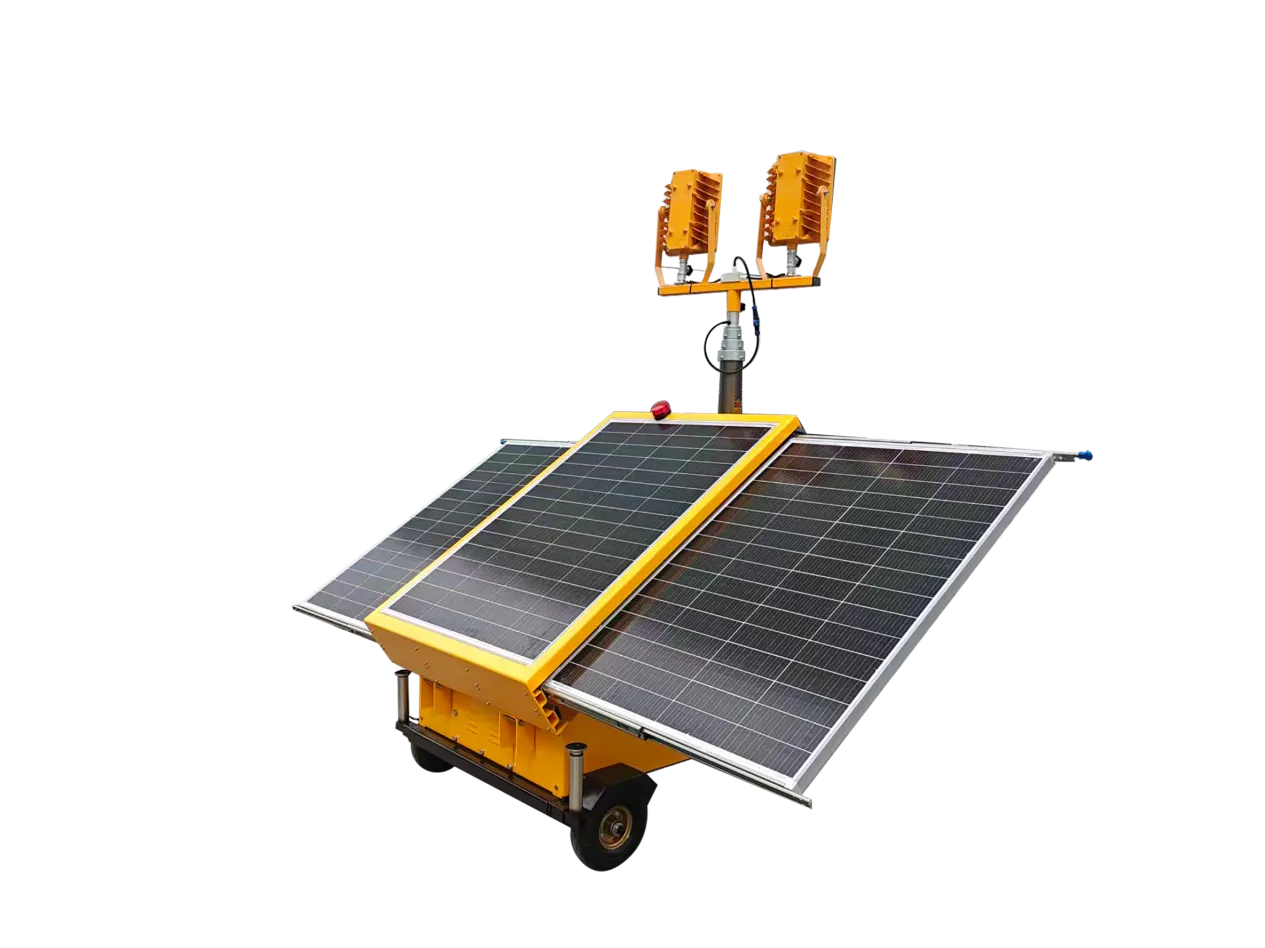
With their environmentally friendly approach and efficiency, solar power lighting towers are a great option for illuminating the outdoors; this has been noted as one of the main tools that can be utilized for many different purposes such as construction sites, events and even during emergencies. A frequently asked question by potential buyers of solar lighting towers is “What is the area that can be illuminated with a solar power lighting tower?” This guide seeks to answer the question as well as provide explanations of the factors related to illumination coverage, allowing you to be well informed when making a purchase.
What Are The Factors That Determine Coverage With A Solar Lighting Tower?
The area that can be illuminated with a solar lighting tower is going to depend on several different variables which will be discussed in detail below. Essentially, coverage can be determined by the way the solar lighting system produces light, the height of the mast, the angle of the beam, and environmental factors.
1. Light Output (Lumens)
A solar lighting tower’s main feature is its ability to provide light to a specific area, which is indicated in lumens. The number of lumens is a reflection on how bright the light does or does not illuminate an area. Many of today’s advanced solar lighting systems can provide up to 50,000 lumens or more, which can give coverage from 6,000-8,000 feet, depending on other situations that will be explained.
2. Adjustable Height of the Mast
The height of the mast is another critical factor in determining coverage; the height of the mast is adjustable and varies with most solar lighting systems ranging from 15-30 feet high. As the height of the mast increases, so will the coverage area of the illuminated area. However, it should be noted that the luminance of lights will be greater for those areas located closer than for those that are further away from the measuring point.
3. Angle of the Beam
The angle of the beam refers to how wide of an area the light from the solar lighting tower is dispersed into. When considering a solar lighting system, there are a number of factors to consider. Narrow beam angles will provide more focused illumination for localised tasks while wider beam angles will spread the light over a greater distance. Many modern solar light towers have the option of having adjustable beam angle to accommodate just about any need.
4. Environmental Factors
Environmental factors such as the location (whether it is an urban or rural setting) and the presence of obstructions to the line of sight (like trees or buildings) may affect the coverage area of the solar light tower. Open spaces with fewer obstructions allow for maximum light spread, whereas barriers can reduce the effectiveness of the lighting system.
How To Select The Correct Solar Light Tower For Your Needs
Three important steps to take when choosing the correct tower for your use include:
- Determine the type of project you will be lighting: For example, construction sites require high-powered solar light towers with high-intensity light fixtures, while special events such as weddings would typically focus on having broad and even illumination.
- Measure the area that needs to be illuminated: Ensure that the specifications match with the coverage area required. Generally speaking, a high-powered solar light tower can cover several thousand square feet.
- Determine the approximate duration of time that the lights will need to be on: Factor in the amount of time to provide light each day after a complete battery charge. Many solar light towers will maintain 10 to 12 hours of sustained light with fully charged batteries.
Applications of Solar Light Towers
Solar Light Towers are widely applicable across many industries and environments! Some examples of using a solar light tower are below:
- Construction Site: Large-scale construction sites that do nighttime operations utilize solar light towers to assure employee safety and enhance productivity through superior lighting.
- Events and Gatherings: Out in the open at a concert, festival, or sporting event, solar light towers provide plenty of lighting without noise or emission output.
- Emergency Situations: Solar-powered portable equipment is beneficial in disaster recovery areas and power outages where grid-power is lacking.
- Temporary Parking and Road Lighting: Ideal for providing lighting at parking lots, rural highways, and temporary roads when being maintained are solar light towers.
The Benefits of Solar Light Towers
As renewable energy sources become more common, solar light towers have become an attractive choice for outdoor lighting needs. Below are the main benefits.
- Environmentally Friendly: The use of solar-powered systems avoids grid-power dependency; hence, eliminating hindrance to reducing carbon emissions or fossil fuel usage.
- Portability and Versatility: Solar light towers are portable and can be easily set up, thus making them perfect for locations that are remote or may change unexpectedly.
- Savings: The use of solar light towers will have a significant decrease in operating costs over the long term due to the elimination of fuel costs and lower maintenance costs.
- Quiet Operation: Unlike diesel-powered light towers, solar light towers are quiet, thereby, creating little to no disturbance for people or the environment.
Common Questions About Solar Light Towers
1. How much area does a solar light tower light?
A solar light tower typically lights an area of 6,000-8,000 square meters. However, there are many factors related to how much area could be lit, including the height of the light tower, lumens (the output from the lamp), the beam angle, environmental characteristics, etc.
2. Are solar light towers effective in outdoor applications?
Solar light towers are built with rugged construction to take on harsh outdoor elements, and many have weatherproof casings that provide long-lasting ruggedness.
3. How long will a solar light tower take to charge?
The amount of time to charge a solar light tower is related to the efficiency of the solar panels on the solar light tower and the availability of sunlight, but typical charging times are 6-8 hours for a full charge.
4. Do solar light towers work at night or in cloudy weather?
Solar light towers have batteries that provide illumination after dark, or in overcast conditions by storing energy from the sun throughout the day.
A solar light tower will illuminate an area of 6,000-8,000 square meters. The size of the solar light tower illumination is affected by many factors including lumen output by the lamp, mast height, beam angles, and environmental influences. Due to their portability, eco-friendliness, and cost savings, solar light towers are perfectly suited for a range of applications from construction to emergency services. If you’re looking for a sustainable solution to your lighting needs, make a good investment in a solar light tower. Be sure to determine exactly what your specific needs are and consult with your solar light tower manufacturer to find the best solar light tower for your needs.